
Having evolved in isolation for millions of years, Madagascar is home to an extraordinary collection of wildlife, much of it found nowhere else on Earth. While its lemurs and chameleons often steal the spotlight, Madagascar’s birdlife is every bit as captivating.
At Miavana, the birds have a wonderful way of finding you, weaving themselves into the smallest moments of island life.

Once an island shaped by seaweed farming, this remote stretch of land off Madagascar’s northeastern coast has undergone a remarkable transformation. More than 100,000 indigenous trees have been planted, invasive vegetation cleared and natural habitats carefully restored. Where the land was once sparse, nature has reclaimed its place.
With the return of indigenous vegetation came the promise of new life. Flowers offer nectar, trees bear fruit and insects gather among the leaves and with this, so birds find places to feed, shelter and raise their young. In return, they become part of the island’s recovery, helping to sustain the delicate relationships that make a healthy ecosystem possible.
The results of this transformation are all around, in the rustle of leaves, the flutter of wings and the birdsong that greets each new morning.

Early mornings bring a beautiful melody of birdsong to the villas, between the sounds of the ocean lapping the shore. From your private deck, coffee in hand and the ocean stretching out before you, you might spot an olive bee-eater swooping from the garden greenery to catch an unsuspecting insect, a crested drongo perched among the branches or a lesser vasa parrot passing overhead. Look a little closer and you may discover a souimanga sunbird flitting between the flowers, its slender, curved bill perfectly adapted to reaching the nectar hidden within.


On a guided island nature walk, you might spot a beautiful Malagasy paradise-flycatcher flitting between branches in pursuit of insects, the male’s long tail feathers trailing behind him like ribbons. The Malagasy bulbul makes its presence known with its lively calls, while the Madagascar hoopoe is unmistakable with its striking orange, black and white plumage and distinctive crest. Another lovely sight is the Malagasy kingfisher, its brilliant blue and orange feathers catching the light as it perches quietly, watching for insects and other small prey.

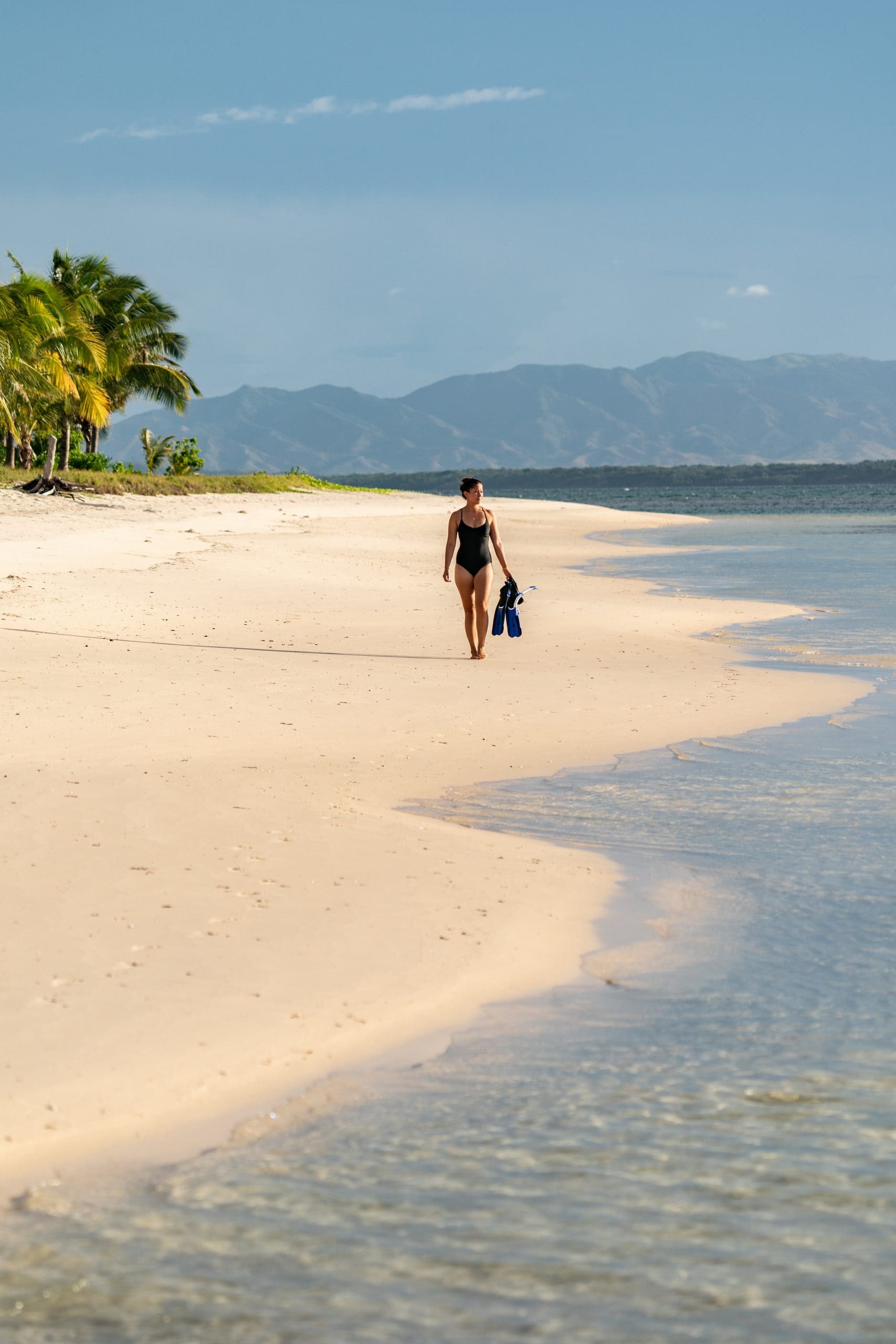
A barefoot walk from your villa along the beach reveals another side of the island’s birdlife, with Eurasian whimbrels, grey-hooded gulls and white-fronted plovers dancing across the sand alongside other shorebirds. If you keep walking towards the Activities Centre, keep an eye on the thatched rooftops, where birds of prey such as the Madagascar buzzard and Malagasy kestrel can often be spotted perched above the island. From these elevated vantage points, they survey the surrounding landscape, watching for movement below before taking flight.
Venture in the mangroves on traditional dugout canoes and the ecosystem shifts again. So too does the birdlife. Glide quietly through the channels and keep a lookout for an array of herons and egrets. The mangroves provide a vital habitat for wildlife, their intricate root systems sheltering marine life and creating a thriving ecosystem where land and sea meet.

Beyond Miavana, the surrounding archipelago offers endless opportunities for discovery.
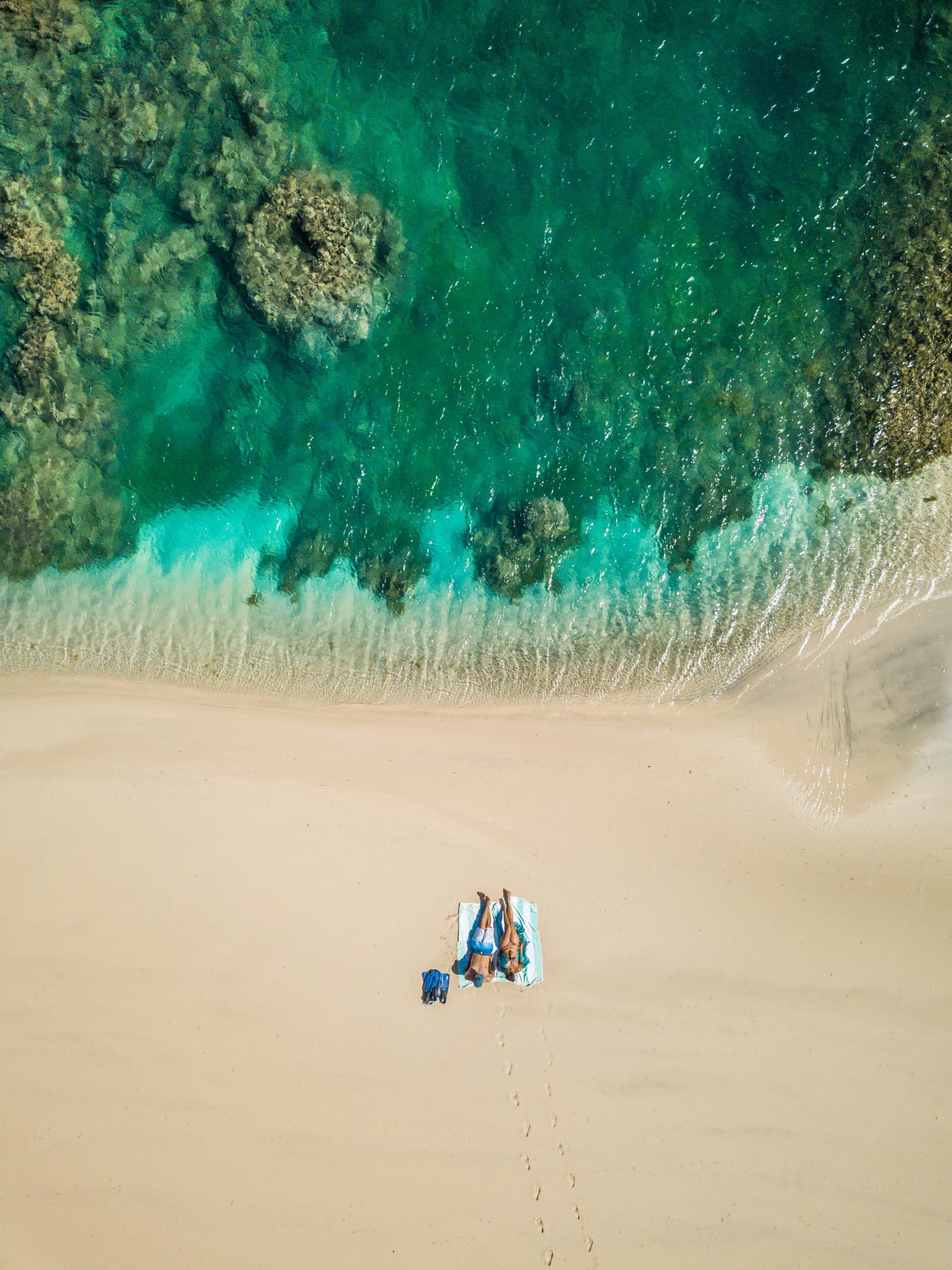
Setting out by boat, the smaller islands in the Levens archipelago rise from the turquoise water with mainland Madagascar in the distance, their forested interiors giving way to secluded white-sand beaches and rocky shores. Overhead, terns patrol the sea, including the lesser crested tern and the Caspian tern. The largest of all the world’s terns, the Caspian terns are easily recognised by their powerful red bills and black caps.
You might catch sight of a white-tailed tropicbird sailing across the sky, its impossibly long, slender tail feathers streaming behind it. These graceful ocean wanderers spend much of their lives at sea, returning to land to breed. Brown noddies and lesser noddies are other familiar companions on the water, their dark silhouettes drifting above the waves alongside the brighter white terns.

Perhaps the most extraordinary avian spectacle awaits on Nosy Manampaho, a remote island that is home to a large breeding colony of sooty terns.
During the breeding season, tens of thousands of these elegant seabirds gather here, transforming the island into a great, swirling gathering of wings, calls and movement. Outside the breeding season, they spend almost their entire lives at sea, often remaining airborne for astonishing lengths of time. The colony is an important focus of Miavana’s ongoing conservation efforts. Through regular monitoring, the team gathers valuable information about the birds and the number of breeding pairs returning to the island each year. It is careful, patient work, helping to build a deeper understanding of these remarkable seabirds and how best to protect the places they depend upon.

Back on Miavana, even the falling of darkness brings new discoveries. On an evening buggy ride home from the Piazza, Madagascar nightjars can often be spotted resting on the road, their mottled feathers briefly illuminated by the headlights. Almost invisible against the earth during the day, these nocturnal birds emerge at dusk to hunt flying insects, their wide mouths perfectly adapted to catching prey in the darkness.

There is no need to be an experienced birdwatcher to appreciate the birds of Miavana. The Activities and Conservation team know the island and its surrounding waters intimately and are always delighted to share their knowledge. They might point out a flock of gray-headed lovebirds that you would otherwise have walked straight past, recognise the beautifully descending call of the Malagasy coucal from deep within the forest or share a little of the fascinating lives of the seabirds overhead.
From boat excursions and island walks to slow mornings at your villa, there is always something wonderful waiting to be discovered. A flash of colour among the trees, a familiar call on the breeze or a seabird soaring across the open ocean. At Miavana, the extraordinary is never very far away
Come let us show you…
Book your island retreat with us